
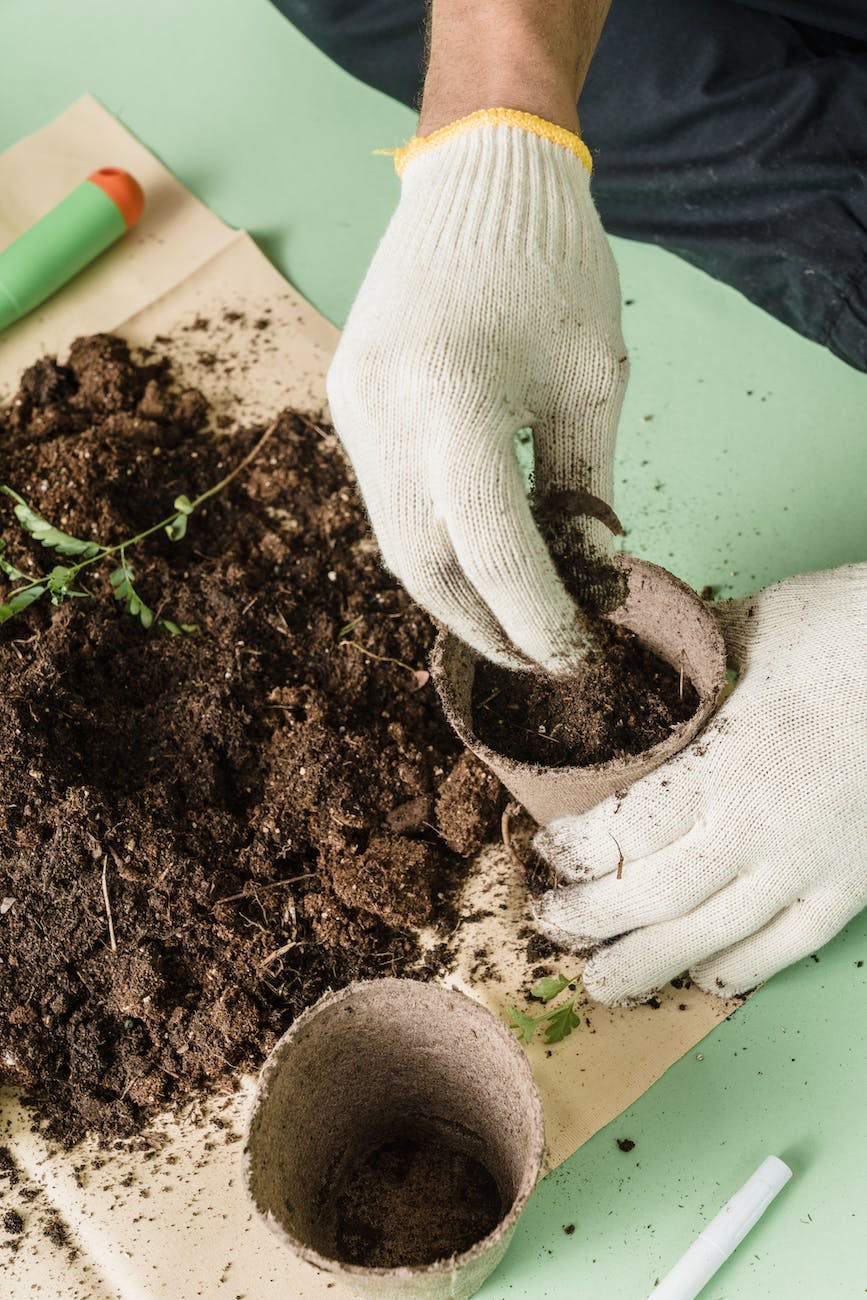
Composting is a simple yet powerful practice that allows us to reduce waste, enrich the soil, and contribute to a more sustainable future. Whether you have a sprawling garden or a small balcony, anyone can get started with composting. In this beginner’s guide, we will walk you through the basics of composting, the benefits it offers, and provide you with practical tips to kick-start your composting journey. Get ready to transform your kitchen scraps and yard waste into nutrient-rich gold for your plants!
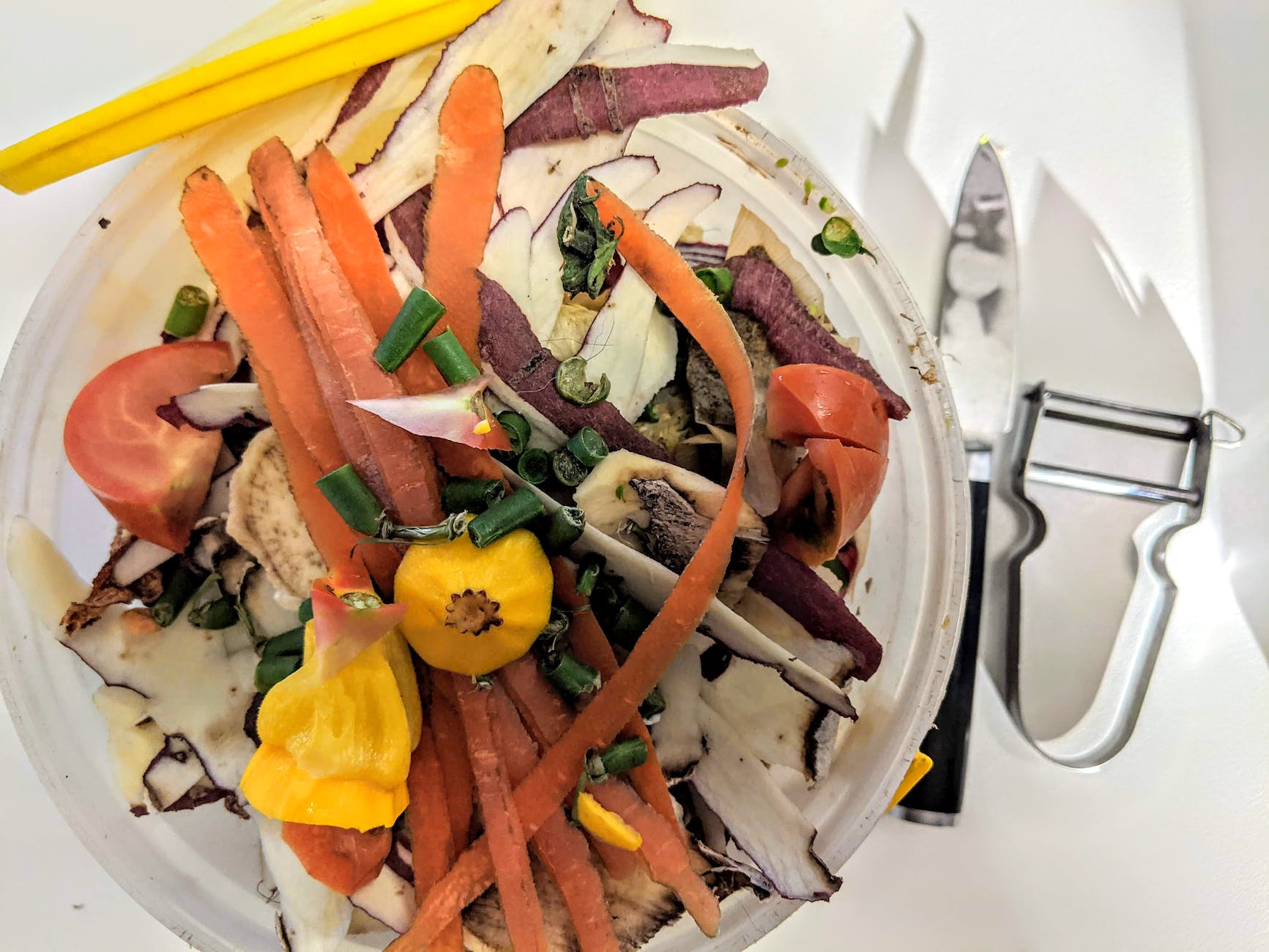
- Understanding the Basics of Composting: Composting is the natural process of decomposition that turns organic waste into nutrient-rich humus. The key ingredients for successful composting are known as the “Green-Brown” ratio. Greens include items such as fruit and vegetable scraps, coffee grounds, and grass clippings, which are rich in nitrogen. Browns, on the other hand, consist of materials like dried leaves, twigs, and newspaper, which provide carbon. The ideal balance is roughly three parts browns to one part greens.
- Choosing the Right Composting Method: There are several composting methods to suit different lifestyles and available space. Consider options like:
a) Backyard Composting: Perfect for those with ample outdoor space, backyard composting involves creating a compost pile or using a compost bin. It offers the advantage of larger volumes and faster decomposition.

b) Vermicomposting: Ideal for apartment dwellers or those with limited space, vermicomposting utilizes worms to break down organic waste. A worm bin or vermicompost system can easily fit in a small corner of your home.

c) Trench Composting: If you have a garden, trench composting involves burying organic waste directly in the ground. This method allows for natural decomposition and nourishes the soil simultaneously.

- Compostable and Non-Compostable Materials: Knowing what to compost is essential to maintain a healthy compost pile. Compostable materials include fruit and vegetable scraps, tea leaves, coffee grounds, eggshells, yard waste, shredded paper, and cardboard. Avoid adding non-compostable items such as meat, dairy products, oils, pet waste, or diseased plants, as they may attract pests or disrupt the composting process.
- Building and Maintaining Your Compost Pile: To kick-start your compost pile, layer your browns and greens alternately, ensuring proper aeration and moisture. Maintain a balanced moisture level, resembling a damp sponge, by watering your compost pile occasionally. Regularly turning the pile with a pitchfork or compost aerator helps accelerate decomposition by providing oxygen. Aim for a mix of coarse and fine materials to allow for airflow.
- Troubleshooting Common Composting Issues: Composting is a natural process, and occasional challenges may arise. Here are a few common issues and their solutions:
a) Foul Odor: This may indicate excessive moisture or the presence of non-compostable items. Add more browns to absorb moisture or remove offending materials.
b) Slow Decomposition: If your compost is taking longer to decompose, it may lack nitrogen-rich greens. Add more nitrogen sources, such as grass clippings or kitchen scraps, to balance the carbon-to-nitrogen ratio.
c) Pest Problems: Avoid attracting pests by burying fresh food waste under a layer of browns. Consider using a rodent-proof or secure composting bin.
- Harvesting and Using Your Compost: After a few months to a year, depending on the composting method and conditions, your compost will be ready. It should resemble dark, crumbly soil with a pleasant earthy smell. Use your compost to enrich potting mixes, improve garden soil, or as a top dressing for plants. The nutrient-rich compost will promote healthy plant growth, improve soil structure, and increase water retention.
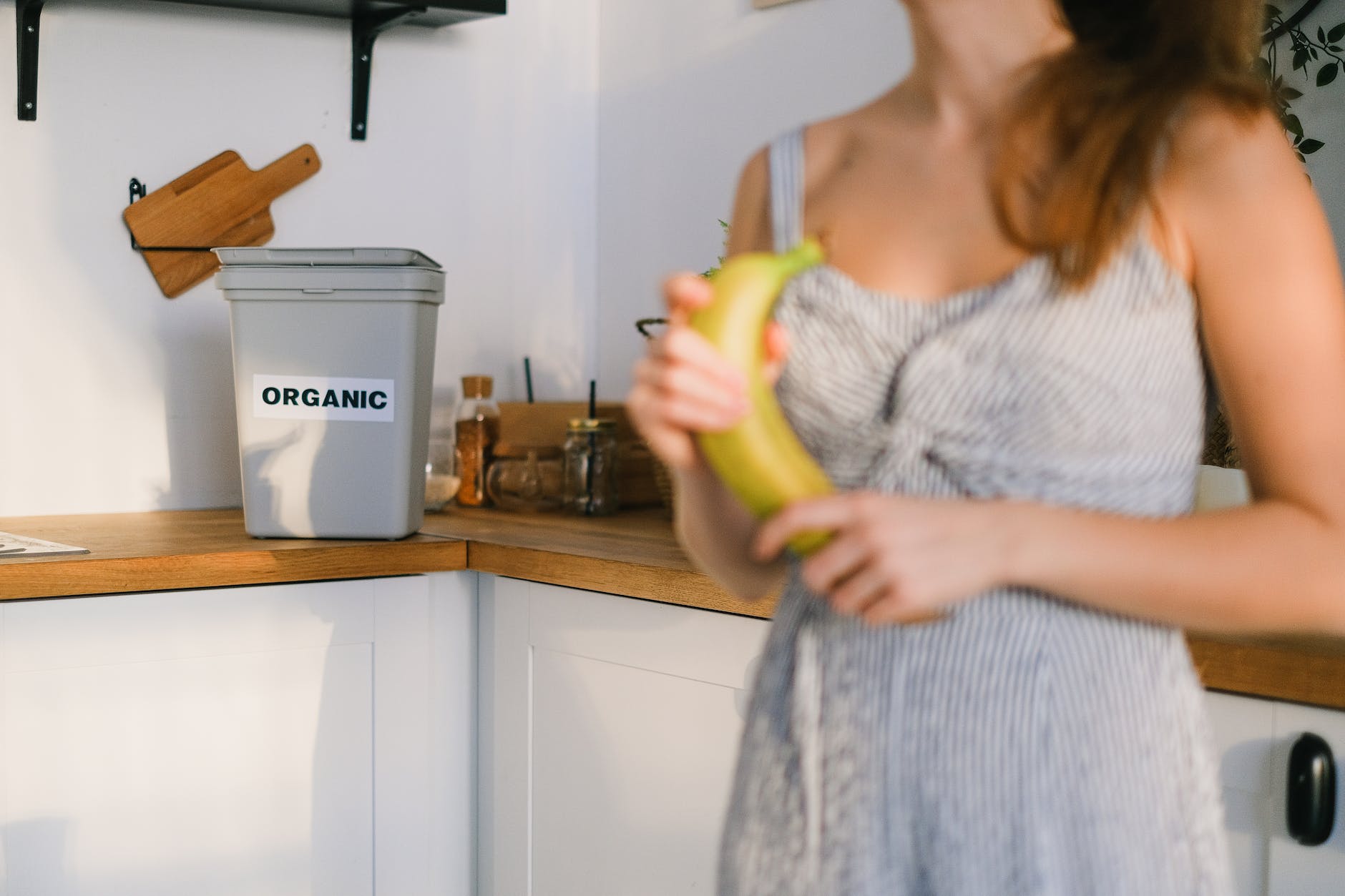
Composting is an eco-friendly practice that empowers individuals to actively participate in reducing waste and creating sustainable solutions. By diverting organic matter from landfills and transforming it into nutrient-rich compost, we can nourish our gardens and contribute to a healthier planet. Start small, experiment, and adapt your composting routine to suit your needs. Embrace the journey and enjoy the satisfaction of turning kitchen scraps into valuable “black gold” for your plants and the environment. Happy composting!
 Frontierland