
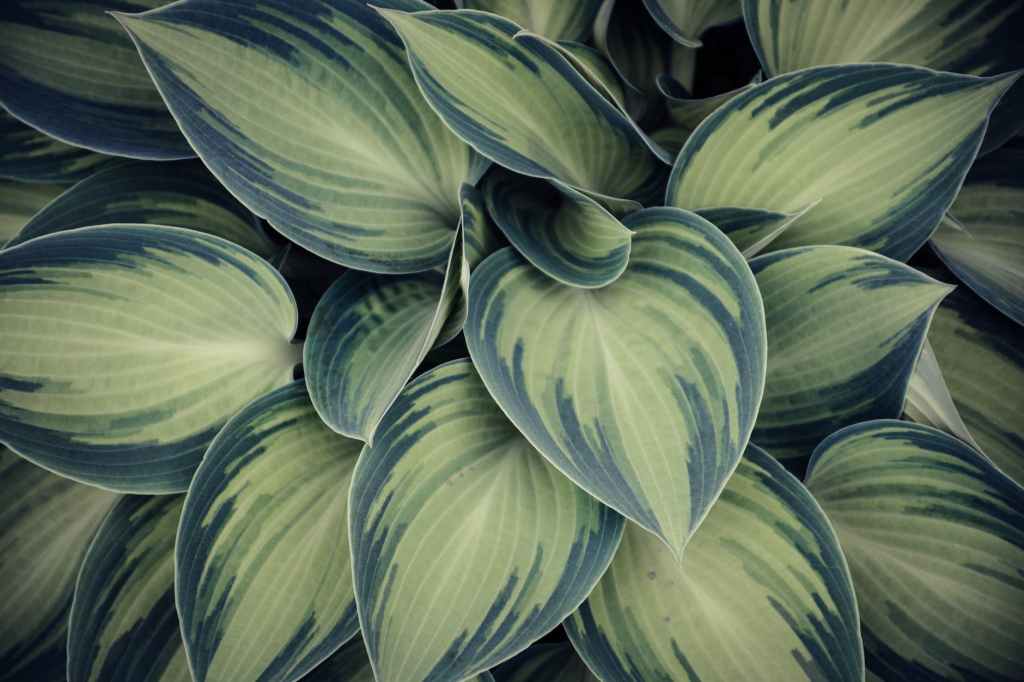
Plants are remarkable organisms that communicate with us in subtle ways. One of the most informative sources of information about their overall health and well-being lies right before our eyes—the leaves. These green wonders not only serve as the powerhouse for photosynthesis but also act as messengers, conveying vital messages about their nutrient requirements, hydration levels, and overall health. By paying close attention to the appearance, color, texture, and patterns of your plant’s leaves, you can unlock a wealth of knowledge and ensure that your leafy friends thrive in their environment. In this blog post, we will explore the art of decoding your plant’s needs through the language of its leaves.
- Leaf Color
The color of a plant’s leaves can be an excellent indicator of its overall health and nutrient status. Here are some common color variations and what they might signify:
- Vibrant Green: Lush, deep green leaves generally indicate a healthy and well-nourished plant. Such foliage suggests that the plant is receiving an adequate amount of sunlight, water, and essential nutrients.
- Yellowing Leaves: Yellow leaves may be a sign of nutrient deficiencies, such as nitrogen or iron. When leaves lack essential nutrients, chlorophyll production decreases, resulting in a faded appearance. Identifying the specific nutrient deficiency can help you address the issue promptly.
- Browning or Browning Leaf Edges: Browning or crispy leaf edges can indicate insufficient humidity or underwatering. In drier conditions, plants lose moisture through their leaves, leading to leaf desiccation. Adjusting the humidity levels or ensuring proper watering can help restore the plant’s health.
- Red or Purple Tones: Some plants naturally exhibit reddish or purple hues in their leaves, which is often attributed to pigments like anthocyanin. However, sudden or widespread reddening can indicate stress due to factors like temperature extremes, insufficient light, or nutrient imbalances.

- Leaf Texture and Appearance
The texture and appearance of leaves can provide insights into a plant’s water requirements and environmental conditions. Consider the following leaf characteristics:
- Wilting Leaves: Droopy or wilting leaves usually indicate that the plant is not receiving enough water. This may be due to underwatering or soil that is too dry. Adjusting your watering routine or ensuring proper drainage can help revive the plant.
- Curling Leaves: Leaf curling can be caused by various factors, including high temperatures, low humidity, insect infestations, or nutrient imbalances. Identifying the underlying cause is crucial for appropriate treatment.
- Spots or Discoloration: Dark or discolored spots on leaves might be a sign of fungal or bacterial infections. These can spread quickly and harm the overall health of the plant. Isolate affected plants and treat them with appropriate remedies to prevent further damage.

- Leaf Patterns and Veins
The patterns and vein structures on leaves can reveal important information about a plant’s well-being and nutritional needs. Consider the following:
- Pale Veins: If the veins on your plant’s leaves appear lighter than the surrounding tissue, it might be an indication of iron deficiency. Iron is an essential micronutrient for plants, and its scarcity can hinder proper chlorophyll production.
- Yellow Veins and Green Interveinal Tissue: In contrast to pale veins, yellowing veins paired with green interveinal tissue can indicate a manganese deficiency. Manganese plays a crucial role in photosynthesis and enzyme activation, and its deficiency can impact overall plant growth.

By becoming attentive observers of our plant’s leaves, we can gain valuable insights into their needs and respond accordingly. The language of leaves offers us clues about their nutrient requirements, hydration levels, and overall health. Remember that every plant is unique, and some variations in leaf appearance may be inherent to the species. Regularly monitoring your plants, noting any changes, and researching specific plant requirements will enable you to provide the best care possible. So, embark on this leafy journey of discovery, and let your plants guide you towards their optimal growth and well-being.
Happy leaf reading!
 Frontierland