
When it comes to nourishing our gardens, we often turn to commercial fertilizers. However, there are numerous natural alternatives lurking right in our kitchens, waiting to be unleashed as powerful plant boosters. These common household ingredients possess the potential to enhance soil fertility, improve plant health, and promote sustainable gardening practices. In this blog post, we’ll delve into the world of natural fertilizers and highlight some of the best ones you can find in your very own kitchen.
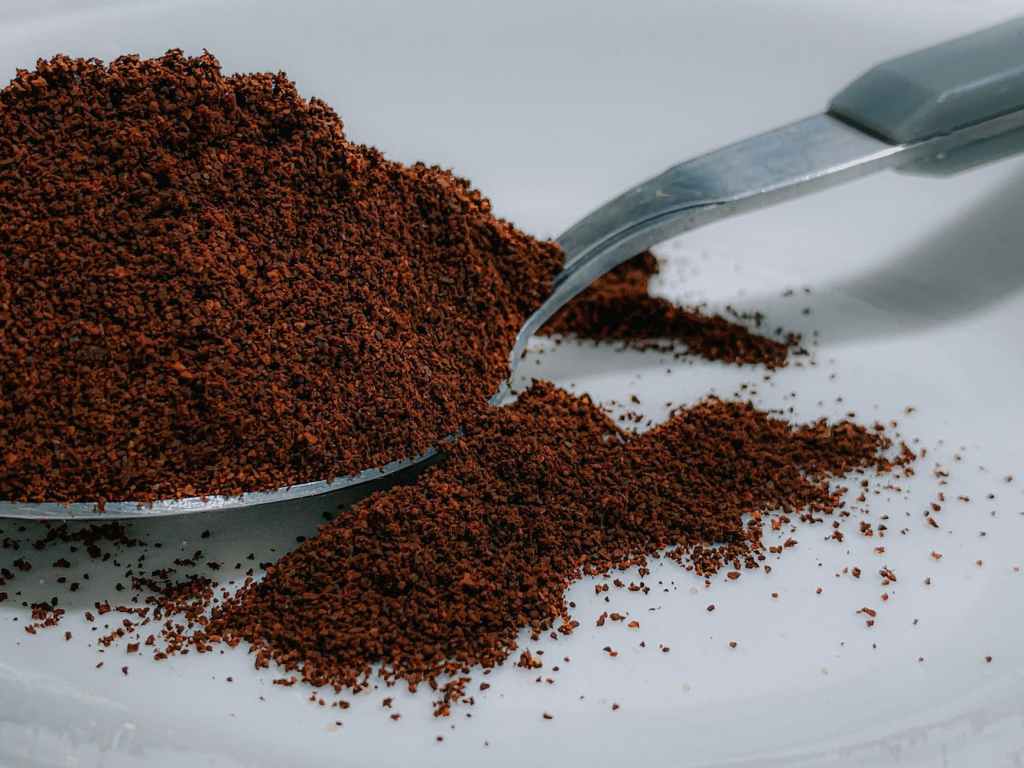
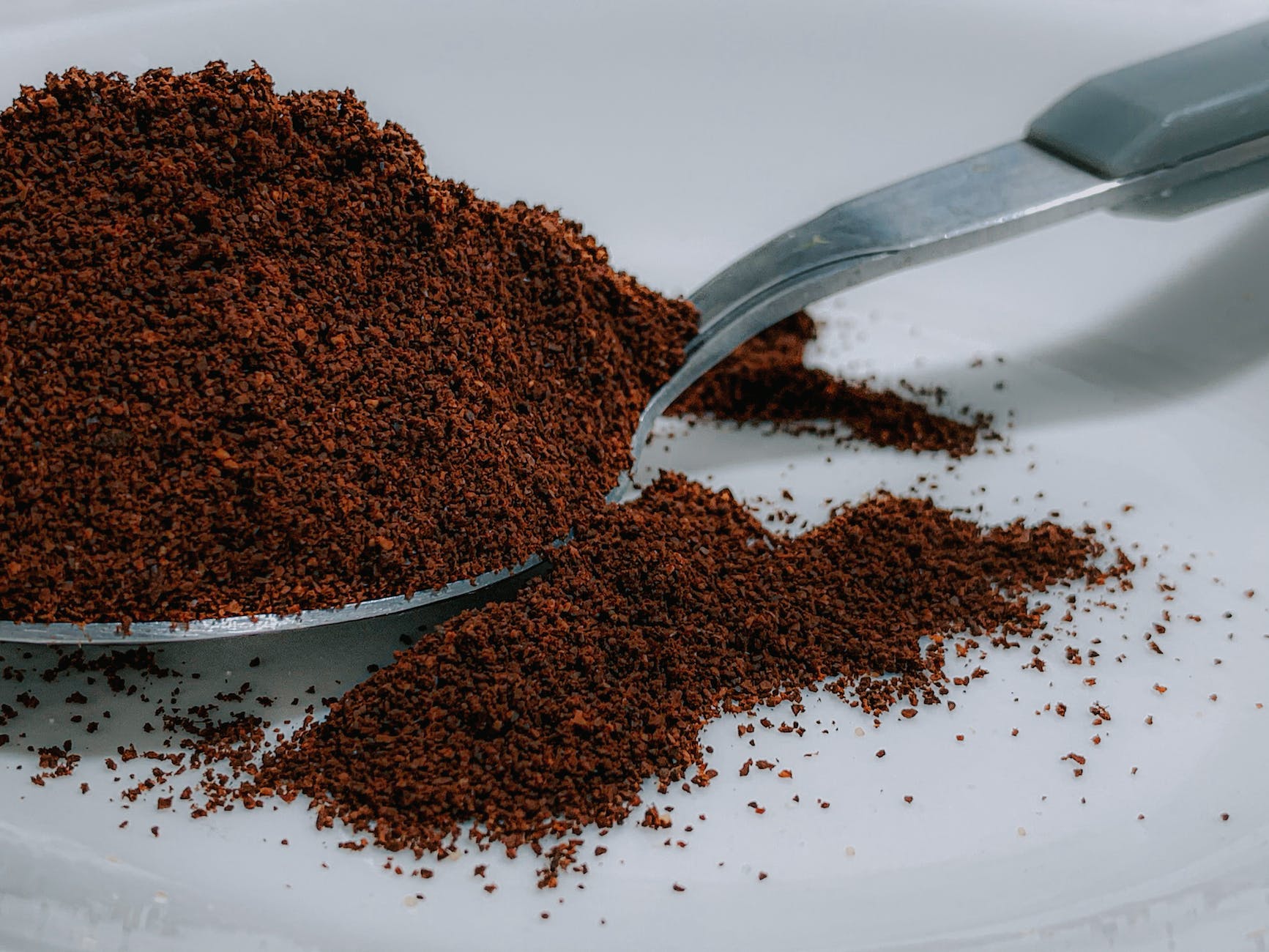
- Coffee Grounds: If you’re an avid coffee drinker, rejoice! Coffee grounds are an excellent source of nitrogen, phosphorus, potassium, and other essential minerals. Their acidic nature also makes them a perfect choice for acid-loving plants such as roses, blueberries, and azaleas. Simply sprinkle coffee grounds around the base of your plants, or add them to your compost pile to enrich the nutrient content.
- Banana Peels: Next time you peel a banana, don’t toss away the peel! Banana peels are rich in potassium, an essential nutrient for healthy plant growth. Chop the peels into small pieces and bury them near the roots of plants like tomatoes, peppers, and roses. Over time, the peels will decompose, releasing nutrients and aiding in root development.
- Eggshells: Eggshells are an excellent source of calcium, which plays a vital role in strengthening cell walls and preventing blossom end rot in tomatoes and other fruits. Crushed eggshells can be sprinkled directly onto the soil or added to your compost bin. They slowly release calcium, promoting healthier growth and preventing nutrient deficiencies.

- Vegetable Scraps: Vegetable scraps, such as peels, ends, and trimmings, can be transformed into a nutritious garden amendment. Collect these scraps in a compost bin and allow them to decompose over time. The resulting compost will be packed with valuable nutrients, enriching the soil and providing a sustainable source of fertilizer for your plants.
- Epsom Salt: Epsom salt, scientifically known as magnesium sulfate, is a versatile ingredient that offers multiple benefits for plants. It promotes chlorophyll production, enhances nutrient absorption, and improves overall plant vigor. Dissolve a tablespoon of Epsom salt in a gallon of water and use it as a foliar spray or apply it to the soil to provide a magnesium boost to your plants.

- Seaweed: Seaweed is a natural powerhouse of micronutrients, growth hormones, and beneficial enzymes that stimulate plant growth. It enhances root development, improves soil structure, and increases resistance to environmental stressors. Rinse off excess salt from dried seaweed and add it to your compost pile or use it as a mulch around your plants for a nutrient-rich garden treat.
By exploring the potential of readily available kitchen staples, we can reduce our reliance on synthetic fertilizers and embrace a more sustainable approach to gardening. Coffee grounds, banana peels, eggshells, vegetable scraps, Epsom salt, and seaweed offer a wealth of nutrients and benefits to our plants, while minimizing our environmental impact. Incorporating these natural fertilizers into your gardening routine not only nourishes your plants but also promotes a greener, more eco-friendly future. So, next time you’re in the kitchen, take a moment to appreciate the hidden potential of these everyday ingredients and give your plants the natural boost they deserve.
 Frontierland